
What A Vacant Listing Needs From Their Homeowner Prior To Closing
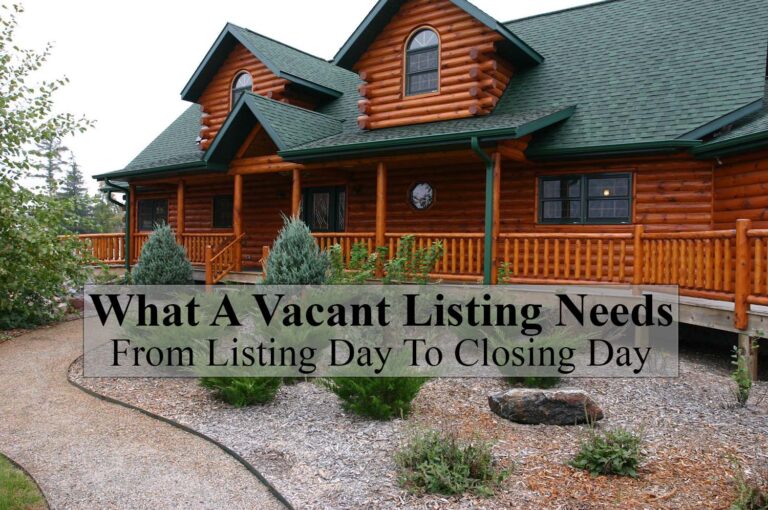
What a Vacant Listing Needs From You Until It Closes
Home sellers who have already moved out face a different challenge than people selling a house they still occupy. An empty property may be easier to show, but distance can turn simple responsibilities—mowing the lawn, noticing a leak, letting in a contractor—into expensive complications.
The goal is to make the vacant home easy to manage, appealing to buyers, and ready for a smooth closing without paying for services you no longer need. A practical plan should cover property oversight, carrying costs, presentation, buyer confidence, and remote decision-making.
The Short Version
Once you move out, treat the property less like your former home and more like an asset that needs active supervision. Keep essential utilities running, arrange regular property checks, maintain the exterior, and give your real estate agent clear authority and communication expectations for showings and minor issues.
At the same time, review every recurring expense. Cancel services that no longer contribute to maintaining or selling the property, but avoid cutting utilities or maintenance so aggressively that the house becomes uncomfortable to tour or vulnerable to damage.
Start With the Costs That Keep Running
A vacant house still generates bills. Mortgage payments, property taxes, insurance, utilities, lawn care, HOA charges, cleaning, and maintenance can continue until closing.
Create a monthly carrying-cost number before making decisions about price reductions, repairs, or offers. Knowing that number changes the conversation. Spending $1,000 on a repair that helps resolve a recurring buyer objection, for example, may be more sensible than allowing the property to sit through another month of substantially higher carrying expenses.
Look for expenses you can safely reduce:
- Cancel internet, cable, subscriptions, and other services that do not support the sale.
- Adjust heating or cooling responsibly rather than shutting climate control off entirely.
- Schedule landscaping based on actual need and season.
- Consolidate cleaning around showings, open houses, or periods of heavy activity.
- Review insurance requirements with your insurer after moving out, since occupancy status can matter to coverage.
The objective isn’t simply to spend less. It is to eliminate costs that do nothing to protect, present, or sell the property.
| Area | Why It Matters | Practical Move |
|---|---|---|
| Exterior | Buyers form an impression before entering | Maintain grass, leaves, snow, landscaping, and entry areas |
| Utilities | Comfort and functioning systems affect showings | Keep necessary services active through closing |
| Security | An obviously unattended property can create problems | Use appropriate locks, lighting, and scheduled check-ins |
| Interior | Empty rooms can expose dirt and small defects | Keep the property clean and address conspicuous maintenance issues |
| Access | Delays can complicate showings and repairs | Establish agent, contractor, and emergency-access procedures |
Make an Empty House Feel Intentional
Vacant does not have to mean abandoned.
A deep cleaning after move-out is a strong starting point. Remove leftover boxes, paint cans, trash, forgotten furniture, and anything else that makes the move appear unfinished. Check bulbs, faucets, toilets, appliances, doors, windows, and HVAC operation.
Then look at the home through a buyer’s eyes. Empty rooms can make scratches, damaged trim, stained carpet, and poor paintwork more noticeable. Small repairs with high visual impact may therefore deserve priority.
Staging does not necessarily mean furnishing the entire property. Depending on the home and market, targeted staging of important spaces—or strong photography that clearly communicates room proportions—may be enough. Ask your agent which presentation problems are actually affecting buyer response before spending heavily.
Build Buyer Confidence Before Negotiations Get Complicated
Once sellers live elsewhere, resolving an unexpected inspection issue can become more cumbersome. That makes it useful to discuss potential buyer concerns with the listing agent before an offer arrives.
Sellers can ask their agent whether listing-period protection or warranty options make sense for the property and transaction. A home warranty for realtors may provide another way for agents and sellers to address concerns about covered home systems or appliances and give cautious buyers additional context about protection after the sale. Coverage varies, so sellers should review the specific plan, exclusions, limits, and responsibilities rather than treating a warranty as a substitute for repairs or disclosure.
Your Remote-Seller Checklist
Before the listing settles into its normal showing schedule:
☐ Confirm who will inspect the property periodically.
☐ Give your agent reliable contact information and response expectations.
☐ Establish who can admit contractors when necessary.
☐ Keep required utilities active.
☐ Arrange lawn, snow, pool, or seasonal maintenance as applicable.
☐ Remove mail, packages, trash, and visible signs that nobody is monitoring the property.
☐ Decide how minor repair expenses will be approved.
☐ Keep invoices, repair records, disclosures, and transaction documents accessible digitally.
☐ Review your insurance situation after the change in occupancy.
☐ Plan ahead for remote signing and closing logistics.
This turns an informal arrangement into a repeatable process and reduces last-minute scrambling.
One Resource Worth Saving
Selling after moving out can also raise tax questions, particularly when sellers are uncertain about gaining exclusions or what records they need to retain.
The IRS publishes Publication 523, Selling Your Home, which explains federal tax rules associated with selling a home, including eligibility rules for excluding certain gains and guidance on reporting a sale. Tax circumstances vary, so use it as an official starting point and consult a qualified tax professional when your situation requires individualized advice.
Frequently Asked Questions
Should I turn off utilities after moving out?
Usually, sellers need at least some utilities operating so the home can be safely maintained, inspected, shown, and evaluated by buyers. Discuss seasonal requirements and closing expectations with your agent and relevant service providers before disconnecting anything.
How often should someone check a vacant home?
There is no universal schedule. Insurance requirements, weather, property condition, location, and local risks can affect what is appropriate. Confirm any requirements with your insurer and establish a reliable inspection routine.
Is it harder to sell an empty house?
Not necessarily. Vacant homes offer flexible showing access and remove personal clutter, but they still need to look maintained rather than neglected. Cleanliness, exterior upkeep, photography, pricing, and responsive property management remain important.
Keep Distance From Becoming Delay
Selling after you have moved out is largely an exercise in preventing small issues from becoming expensive ones. Give buyers a well-maintained property and give your agent a clear operating plan. That combination can make distance far less disruptive to the path from listing to closing.